

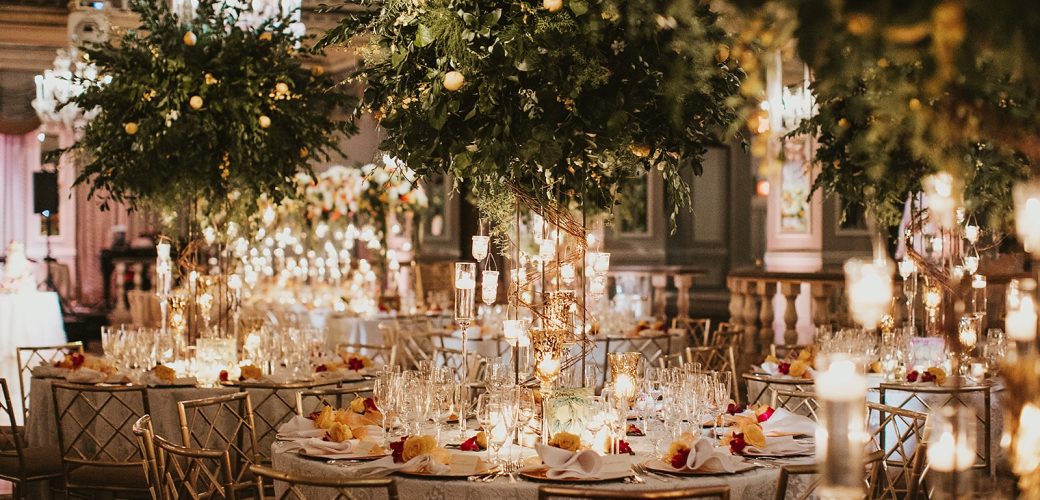
Social media has given unprecedented access to event design inspiration, significantly influencing whom clients trust when planning a milestone event. Many arrive at their first consultation with a professional event designer having spent months researching venues, florals, and design aesthetics online.
However, what that research rarely shows is the expertise, experience, process, and professional judgment that produces what they are looking at. That gap is what makes professional event design easy to undervalue.
For anyone planning a significant event, knowing what social media cannot teach is as important as knowing what it can. This article examines where that gap lies and what it costs when it goes unrecognized.
Table of Contents
Why Social Media Makes Professional Expertise Easy to Dismiss
The distinction between seeing something and understanding how it was made has always existed. In event design, social media has all but blurred it. Clients who spend months consuming event content on Instagram, Pinterest, and TikTok arrive with a genuine sense of confidence. They have studied finished tablescapes, lit ballrooms, floral installations, and carefully styled receptions.
What none of that social media content communicates is the process that produced it.
This leads to what might be called false empowerment. The content was never designed to teach execution. It was designed to perform on a feed. When clients mistake consuming that content for understanding the work behind it, they arrive with confidence that dissolves once the real work begins.
The effect on the design process is often subtle. Early conversations shift from open exploration to bridging what was seen and what is actually possible. Time that would otherwise go into developing the strongest creative direction gets spent navigating that gap. It is not a reflection of any one client. It is simply what happens when a significant portion of the brief arrives pre-formed.
The events that turn out best are those where trust is established early and the client arrives with inspiration rather than conclusions. When that trust is in place, an event designer can move with more confidence, think more freely, and bring the full depth of their experience to what the event could be.
When social media shapes expectations, it quietly erodes that possibility even before the first real conversation begins. Professional recommendations begin to look like one opinion among many rather than expertise drawn from years of hands-on experience. That is where trust in professional judgment begins to erode.
What Social Media Hides About Event Execution
The parts of event design that matter most are almost entirely invisible in social media content. A 30-second reel of a finished event hides the hundreds of decisions that made it possible:
- How lighting temperature affects how linen reads
- How the floral scale interacts with the ceiling height
- How a single vendor substitution ripples through the setup timeline
- Set up day sequencing that determines whether everything arrives in the right order
It is also worth noting that much of what clients use as reference material does not reflect real event production. Events are routinely styled for content, photographed under ideal conditions, and edited for visual impact. The reference point clients are working from is often not a genuine representation of what a typical event production actually looks like.
The widely misunderstood notion of day-of-event management illustrates this clearly. Months of planning precede an event. Concepts are developed and revised, vendor timelines coordinated, materials sourced, and tested. No professional can learn all of that in a single day and execute it with confidence. The work that makes an event run well happens weeks and months in advance, invisibly, in ways that never appear in any content feed.
When clients do not see that process, they cannot accurately judge the expertise required to manage it. And when they cannot judge expertise, they extend trust toward whoever is most visible rather than whoever is most qualified.
Why Hiring Great Vendors Doesn’t Guarantee a Great Event?
One of the most consequential misunderstandings in event planning is the difference between hiring individual vendors and hiring a designated design team dedicated to designing a cohesive event. When an event is designed with one guiding authority, every element is considered in conversation with every other. The lighting decision responds to the floral decision. The linen choice responds to the ceiling treatment. The furniture scale responds to the room’s proportions.
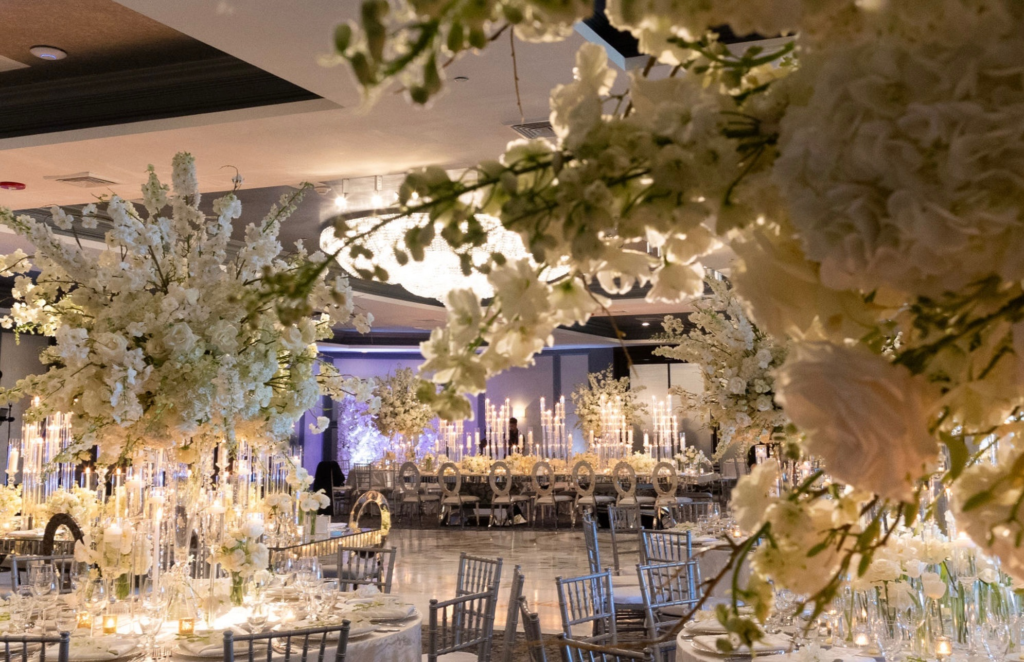
Each choice affects the next, and that interconnection is what creates a room that feels cohesive rather than simply well-supplied. Too many cooks in the kitchen, as the expression goes, produces a result that suffers regardless of the quality of the individual ingredients.
When clients assemble vendors independently, each professional works within their own medium and their own instincts. One person’s interpretation of a color in fabric is not the same as another person’s interpretation in flowers or in light. The room ends up telling several different stories at once rather than one complete and intentional one.
There is also a financial dimension that clients rarely anticipate. When no one oversees the full picture, vendor scopes can overlap in ways that go unnoticed. Services get duplicated, and clients pay for effects that were already being provided elsewhere. A single design lead overseeing the full scope prevents that redundancy and protects the budget as much as the aesthetic outcome.
A florist makes the flowers beautiful. A design lead makes the whole room make sense. Those are not the same responsibility, and conflating them is a direct consequence of how social media presents the finished product without the process behind it.
How Has Influencer Culture Blurred The Line Between Visibility And Expertise?
Influencer culture has added a further layer of complexity to how clients assess professional expertise before they engage anyone. Some professionals have built genuine platforms by sharing substantive knowledge about their craft. Their visibility reflects real expertise, earned through years of experience.
That is not, however, consistently the case across what clients are watching. Much of what circulates as event design guidance online is produced by individuals whose primary skill is performing knowledge compellingly on camera, rather than demonstrating it through a body of professional work.
Real expertise in this field comes from experience: from the events that went sideways, from the ones that exceeded every expectation, and from the judgment that only develops after years of managing what goes wrong under real pressure. That kind of experience does not translate easily into content. It is not visual. It does not compress into a reel.
The voices clients encounter most often online are frequently the most visible rather than the most experienced. Visibility, repeated often enough, becomes its own form of credibility. Clients begin to trust what they recognize rather than what they have verified. Professional expertise becomes harder to distinguish from professional presentation, and the gap between the two quietly undermines trust in the professionals who work extremely hard everyday to elevate your event and exceed expectations.
Why Splitting the Design Role Rarely Works
There is a version of event design planning that seems reasonable on paper: hire a professional for the parts that feel complex, and handle the rest personally. It keeps costs down. It maintains a sense of control. However, what it creates in practice is a divided design process with no single point of authority, which is a different problem from having no professional involved at all.
When a client steps into the design role alongside a professional, the decisions they each make do not combine into a cohesive result. They compete. A choice made without full knowledge of the vendor relationships, the spatial constraints, or the visual direction already established elsewhere does not slot in cleanly. It pulls. The result tends toward a look that is disjointed and visually inconsistent. This is not because the individual elements are wrong, but because no single point of view holds the whole picture.
The more consequential cost, however, is personal. An event is not just a design problem. It is an experience the client is supposed to be present for.
When someone is managing vendors, tracking timelines, and making real-time decisions on the day of their own event, they are no longer a host. They step into the shoes of a project manager. You will not be present at your own event when you are trying to run it. That is not a recoverable loss. Your event only happens once. You should be able to enjoy it to the fullest.
How Can Clients Recognize Real Event Expertise?
The same social media platforms that make event design look effortless also make it harder for experienced professionals to communicate what the work actually involves. A portfolio shows outcomes. A follower count shows reach. Neither tells a client what they need to know before making a significant professional decision.
The most reliable signals of genuine expertise are not digital. They come through referrals from people who understand the industry and have direct experience of the work: venues that have seen it executed at a high level, past clients who can speak to the full arc of the process, peers who know the difference between a well-styled result and a well-managed event.
Reviews are a useful starting point. They reflect overall client experience and give an initial read on a professional’s track record. But reviews do not convey craft, and they do not convey the capacity to manage complexity under pressure. Those qualities only become apparent through direct conversation:
- What questions does a professional ask
- How specifically they think about challenges
- How clearly they communicate about the process
The clients who end up with the best events are not the ones who researched the most. They are the ones who found someone they trusted and then let them work.